The Question Everyone Asks Before They Sell
If you have a drawer full of old jewelry, a broken chain, or a handful of coins you inherited and no longer want, the first real decision is where to take it. Most people think about two options: the pawn shop down the road or a dedicated gold buyer. The difference in what you walk out with can be significant — not because one business is dishonest, but because they operate on completely different financial models.
This is a question that comes up constantly in gold-selling communities online, and the answers people get are often vague or incomplete. So here is a straightforward breakdown of how the two compare, what drives those differences, and what it means for someone selling gold in the Alcoa and Maryville area.
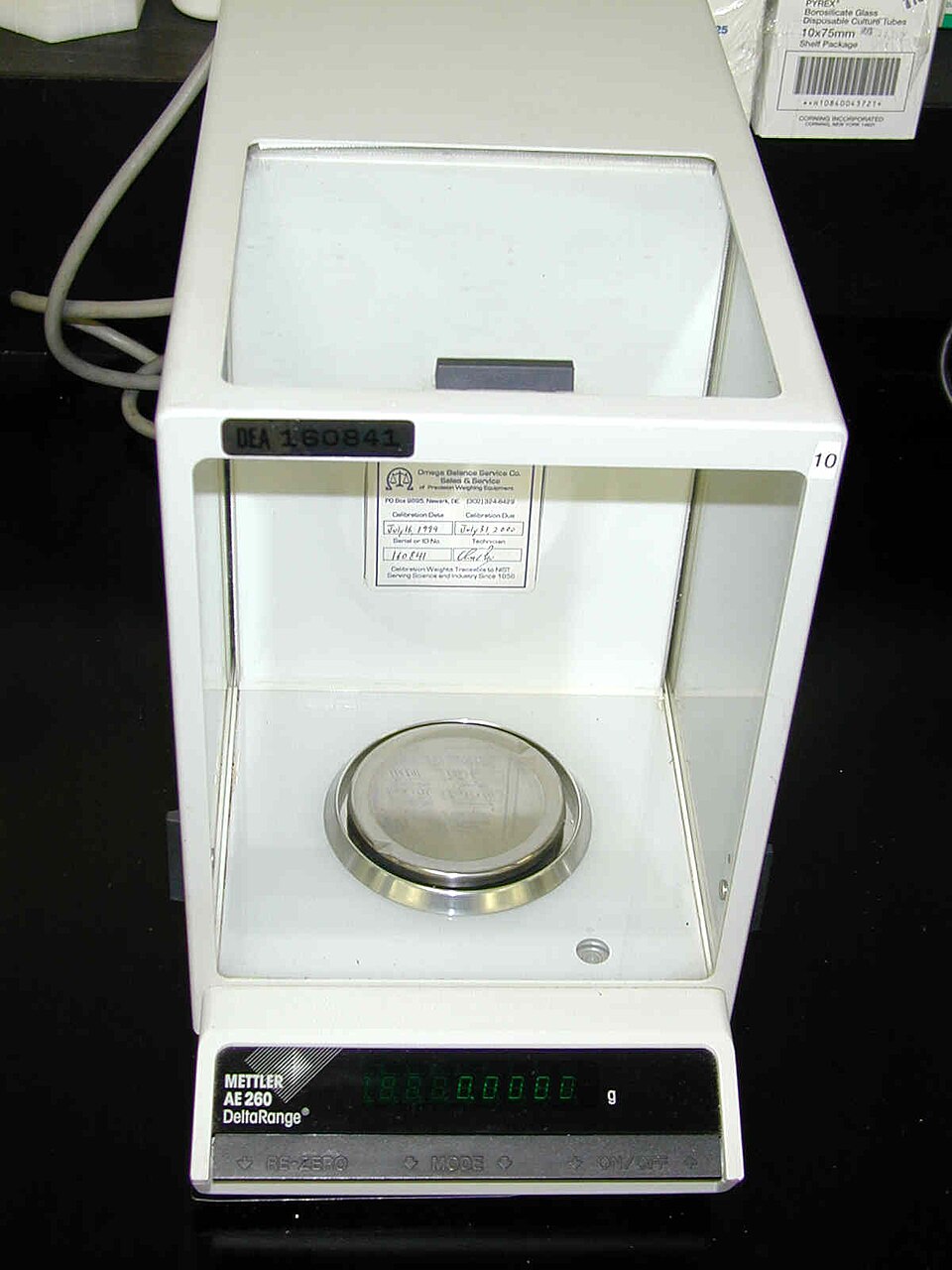
Know exactly what your jewelry and estate pieces are worth before visiting any buyer. Sort your items at home using a JSP 10K–22K Gold & Silver Acid Testing Kit, inspect worn stamps with a 10x Hastings Triplet Jeweler's Loupe, and weigh in true grams and troy ounces on a 0.01g Digital Jeweler Scale.
How Pawn Shops Make Their Money
A pawn shop is a general-purpose lending and resale business. They deal in everything from power tools to guitars to electronics. Gold and jewelry are just one slice of what they handle on any given day. When you bring in gold, the person behind the counter has to assess value quickly across a wide category of items they may or may not specialize in.
Because pawn shops also offer collateral loans — where they hold your item and you pay to get it back — their pricing model is built around worst-case scenarios. If they loan against your gold and you never return for it, they need to be able to resell it and still make a profit. That layered risk structure is why pawn shops typically pay somewhere between 20 and 35 percent of the gold’s melt value. The cushion they build in protects them across a business model that is inherently unpredictable.
That is not a criticism. That is just how the math works when you are running a business that also keeps a stock of used riding lawnmowers in the parking lot.
How Dedicated Gold Buyers Operate Differently
A dedicated gold buyer — like Alcoa Gold Buyers — has a fundamentally different cost structure. There are no display cases full of resale merchandise, no loans to manage, and no generalist staff trying to price tools and televisions between gold transactions. The entire operation is focused on one thing: accurately assessing precious metals and paying a competitive price based on current market value.
Because the overhead is narrower and the expertise is deeper, dedicated buyers can offer substantially more. The industry standard for a reputable gold buyer is roughly 50 to 70 percent of melt value, with the average landing around 60 percent. That gap between 25 percent at a pawn shop and 60 percent at a gold buyer is not a small rounding error — on a meaningful piece of gold, it can translate to a significant amount of money left on the table.
You can check current gold spot prices to understand what melt value means for what you are holding. The math becomes clearer when you have a live number to work with.
The Testing and Transparency Gap
Another difference that rarely gets discussed is how gold actually gets tested at each type of business. A pawn shop may use an acid test kit and a practiced eye. That works reasonably well for obvious pieces, but it leaves room for error on mixed-alloy items, plated jewelry, or unusual hallmarks.
A dedicated buyer typically uses an XRF analyzer or other electronic testing equipment that gives a precise readout of metal content. When you sit across from a buyer who can show you the actual purity reading on a screen, you are in a position to understand exactly what you have and why the offer is what it is. That transparency matters — not just for trust, but because it protects you from being underpaid on a piece that tests higher than a visual estimate would suggest.
At Alcoa Gold Buyers, we test everything before making an offer, and we walk you through the results. Sellers in the Blount County area consistently tell us they had no idea what their gold actually weighed or what the karat stamp really meant until they sat down with us.
What the Karat Stamp Does and Does Not Tell You
A lot of sellers come in thinking their jewelry is worth more or less than it actually is because they misread the hallmark. A piece stamped “14K” is 58.5 percent pure gold. A piece stamped “18K” is 75 percent pure. The difference between those two is real money, and neither a visual inspection nor an acid test will give you the kind of precision that determines a fair offer.
Pieces without stamps, items purchased abroad, and vintage or antique jewelry often require more careful analysis. If you are selling anything in that category, a dedicated buyer near McGhee Tyson with proper testing equipment is going to serve you better than a generalist.
Why Location Matters Less Than You Think
Some people assume that driving out to a dedicated gold buyer requires more effort than it is worth. But if you are anywhere in the Maryville area — or coming through Alcoa on your way from Blount County — the difference in payout usually more than justifies the trip.
Consider a simple example. If you have gold worth $500 in melt value, a pawn shop offering 25 percent puts $125 in your pocket. A dedicated buyer at 60 percent puts $300 in your pocket. That $175 difference is real money. Nobody needs to romanticize this decision — it is arithmetic.
We see this comparison play out regularly with sellers who stopped at a pawn shop first, did not like the offer, and drove a few more miles to sit down with us. In almost every case, they walked away with considerably more.
What to Bring and What to Expect
When you come in, bring everything you are considering selling — even pieces you are not sure about. Broken chains, single earrings, dental gold, old coins, and scrap jewelry all have value. You do not need an appointment, and there is no obligation to accept an offer.
We will weigh everything, test the purity, check current spot prices, and give you a clear, documented offer. You will know exactly how we arrived at the number before you decide anything.
Ready to Find Out What Your Gold Is Actually Worth?
If you are sitting on gold you are ready to sell, get a free quote from Alcoa Gold Buyers before you walk into a pawn shop. The few extra minutes it takes to compare offers will almost certainly be worth it.
Side-by-Side Comparison: Dedicated Gold Buyer vs. Traditional Pawn Shop
| Evaluation Criteria | Dedicated Precious Metals Buyer | Traditional Pawn Shop |
|---|---|---|
| Primary Business Model | High-volume bullion & refinery settlement | Collateral pawn loans & general retail |
| Live Spot Price Display | Shown live on screen & calculated per gram | Rarely disclosed; often flat "lump sum" offer |
| Testing Equipment | Multi-karat acid, electronic & XRF verification | Basic surface scratch test |
| Bullion & Pre-1933 Coin Expertise | Recognizes numismatic & sovereign coin premiums | Often prices rare coins as generic scrap metal |